Urinary Incontinence (Urine Leakage)

Urinary Incontinence

Understanding Urinary Incontinence

Urinary incontinence refers to the involuntary leakage of urine, meaning loss of bladder control. Patients may notice small drops of urine leaking while coughing or laughing, or sudden leakage before reaching the toilet.

Although common, especially in women and elderly individuals, urine leakage is not a normal part of aging. It is a medical condition that can be evaluated and treated effectively in most cases.

Many patients feel embarrassed to discuss urine leakage, but early consultation significantly improves quality of life.

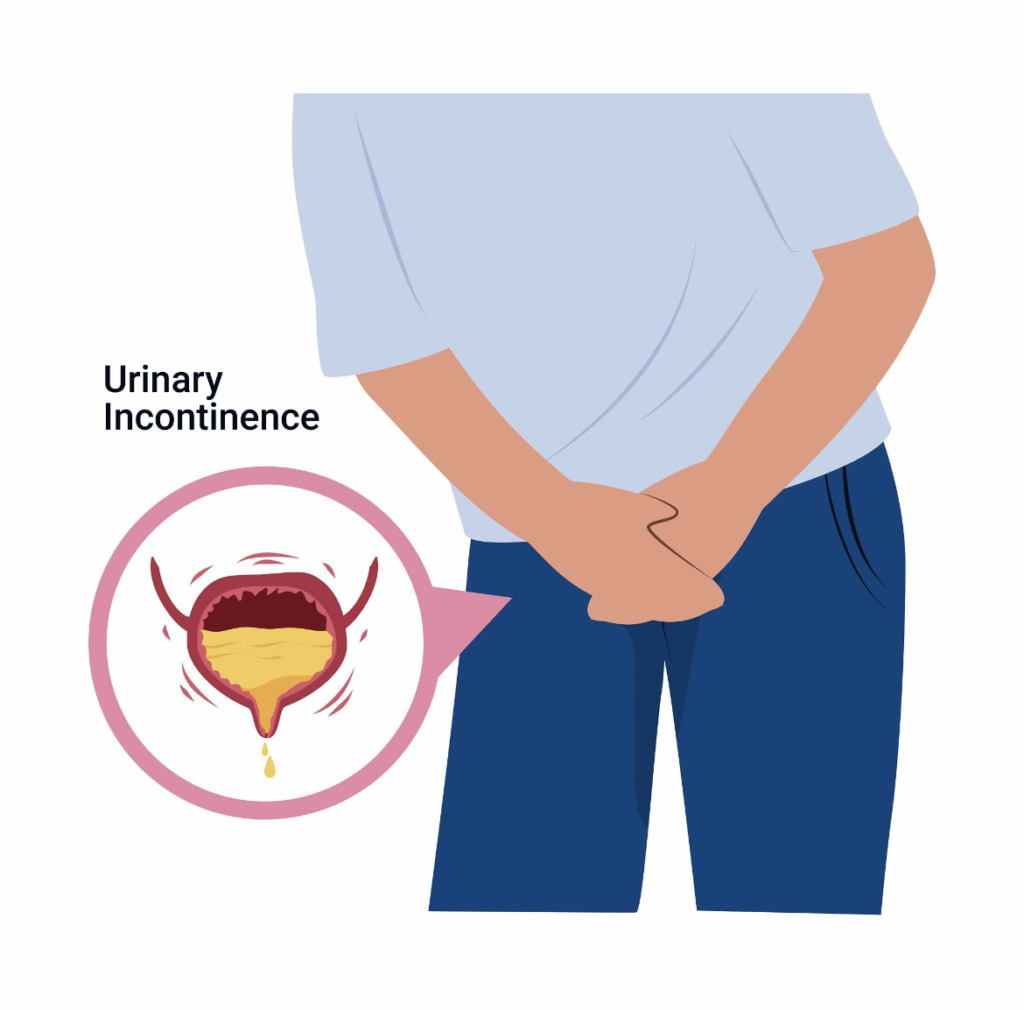
What Is Urinary Incontinence?

You may be experiencing urinary urgency if you:

  • Feel a sudden, intense need to urinate

  • Struggle to hold urine until reaching a toilet

  • Rush to the bathroom frequently

  • Experience urine leakage before reaching the toilet

  • Feel anxiety about toilet availability

Urgency may occur alone or along with other urinary symptoms.

Types of Urinary Incontinence

Understanding the type helps guide treatment.

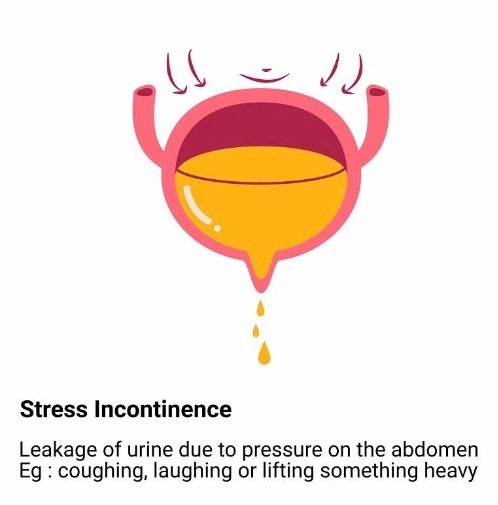
Stress Incontinence

Leakage occurs during physical activities such as:

  • Coughing

  • Sneezing

  • Laughing

  • Lifting heavy objects

  • Exercise

Common in women after childbirth or menopause.

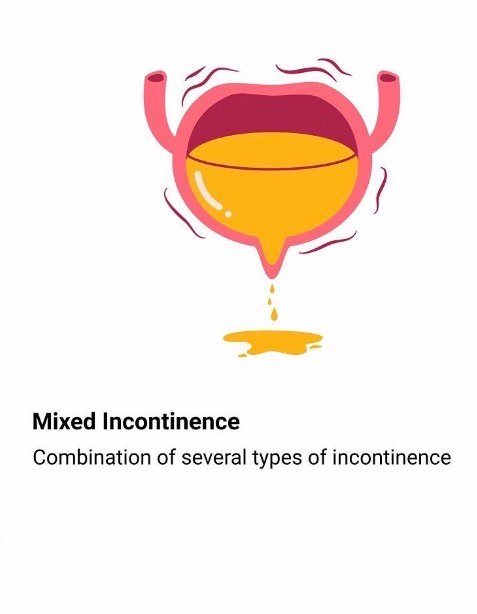
Mixed Incontinence

Combination of stress and urge incontinence.

Mixed incontinence
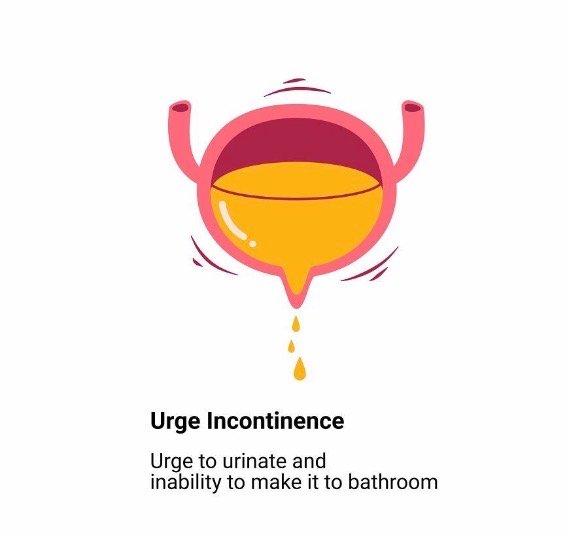
Urge Incontinence

Leakage occurs after a sudden, strong urge to urinate. Often associated with overactive bladder.

Urge incontinence
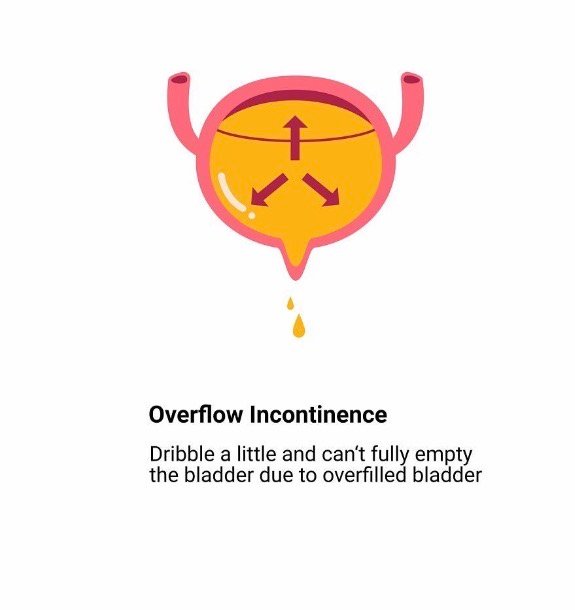
Overflow Incontinence

Occurs when the bladder does not empty completely, leading to continuous dribbling.

Common Causes of Urinary Incontinence in Women

Urinary incontinence is a symptom, not a disease. Causes vary depending on age and gender.

Urine leakage is more common in women due to:

Weak pelvic floor muscles (post-pregnancy or delivery)
Hormonal changes
Obesity
Neurological conditions affecting bladder control

Many women consider it “normal after delivery,” but it is treatable and should not be ignored.

Common Causes of Urinary Incontinence in Men

In men, urine leakage is often related to:

Urinary Incontinence vs Urinary Urgency

These conditions may overlap but are different:

Urinary urgency → sudden strong urge to urinate

Urinary incontinence → actual leakage of urine

Some patients experience both, especially in overactive bladder.

When should you consult a Urologist?

You should seek urology consultation if:

Urine leakage is recurrent

Leakage interferes with work or social life

You require pads regularly

Leakage is worsening

There is associated burning, bloodin urine, or weak stream

Night-time urine leakage occurs

Early consultation prevents progression and improves quality of life.

How Is Urinary Incontinence Evaluated?

Evaluation is simple and usually includes:

Detailed medical history

Physical examination

Urine routine examination

Ultrasound of kidneys, bladder, and prostate 

Urine flow test (Uroflowmetry)

Measurement of residual urine

Specialized bladder tests in selected cases

Most patients do not require invasive tests.

Treatment of Urinary Incontinence

Treatment depends on the type and severity and may include:

Pelvic floor muscle exercises (Kegel exercises)

Bladder training

Medications for overactive bladder

Lifestyle modifications

Weight management

Minimally invasive procedures (in selected cases)

Surgical correction (for severe stress incontinence)

Most patients experience significant improvement with appropriate treatment.

Can Urinary Incontinence Be Prevented?

In many cases, yes. Preventive measures include:

Regular pelvic floor exercises

Avoiding excess caffeine

Maintaining healthy body weight

Managing chronic cough or constipation

Early treatment of urinary symptoms

Why Urinary Incontinence Should Not Be Ignored

Ignoring urine leakage can lead to:

Skin irritation and infections

Social embarrassment

Sleep disturbance

Worsening bladder dysfunction

Reduced quality of life

Urinary incontinence is treatable, and early care improves long-term outcomes.

Related Urinary Symptoms

Urinary incontinence may be associated with:

Each symptom requires proper evaluation to identify the exact cause.

Urinary Incontinence FAQs

Is urinary incontinence normal with age?

No. Although urinary incontinence is more common in older adults, it is not a normal part of aging. It usually indicates weakened pelvic muscles, bladder dysfunction, or prostate-related problems and can be treated.

In women, the most common cause is stress incontinence due to pelvic floor weakness after pregnancy, childbirth, or menopause. Overactive bladder is another common cause.

In men, urine leakage is commonly caused by prostate enlargement, prostate surgery, bladder dysfunction, or overactive bladder. Proper evaluation is necessary to identify the exact cause.

  • Stress incontinence occurs when urine leaks during coughing, sneezing, laughing, or physical activity.

  • Urge incontinence occurs when there is a sudden strong urge to urinate followed by leakage before reaching the toilet.

Yes. Many cases improve with pelvic floor exercises (Kegel exercises), bladder training, medications, and lifestyle changes. Surgery is required only in selected cases of severe stress incontinence.

Yes. Urinary urgency can lead to urge incontinence, where leakage occurs due to sudden strong urge to urinate.

You should consult a urologist if:

  • Leakage is recurrent or worsening

  • You require pads regularly

  • Leakage affects daily activities or sleep

  • There is associated burning, weak urine stream, or blood in urine

Yes. Pelvic floor muscle exercises (Kegel exercises) can significantly improve stress incontinence and mild leakage when performed regularly and correctly.

In many cases, maintaining healthy body weight, performing pelvic floor exercises, managing chronic cough or constipation, and limiting caffeine intake can help reduce the risk.

A urologist is the appropriate specialist for evaluation of urinary incontinence, especially if symptoms are recurrent, severe, or associated with other urinary problems.

Why Choose Dr. Vikas Gupta

Expert-led, ethical and advanced urology care in Gurugram & Delhi NCR

Urologist | Andrologist | Uro-Oncologist

Trusted Expertise

MCh Urology from PGIMER Chandigarh with advanced training in endourology and uro-oncology.

Advanced Laser Surgery

Minimally invasive laser procedures for stones, prostate and urinary disorders.

Fortis Hospital Care

Associate Consultant at Fortis Memorial Research Institute, Gurugram.

Patient-Centric Approach

Compassionate consultation, transparent advice and ethical treatment.

Book Appointment with Dr. Vikas Gupta

If you are experiencing urine leakage or loss of bladder control, professional evaluation can provide effective and discreet treatment options.

Regain confidence and bladder control with timely care.

Call

 +91 7900720064 

Whatsapp

 Appointment & enquiry support

Email

 Non-urgent queries & reports

Providing trusted urology care in Gurugram & Delhi NCR

Scroll to Top