Prostate Symptoms
Understanding Prostate Symptoms
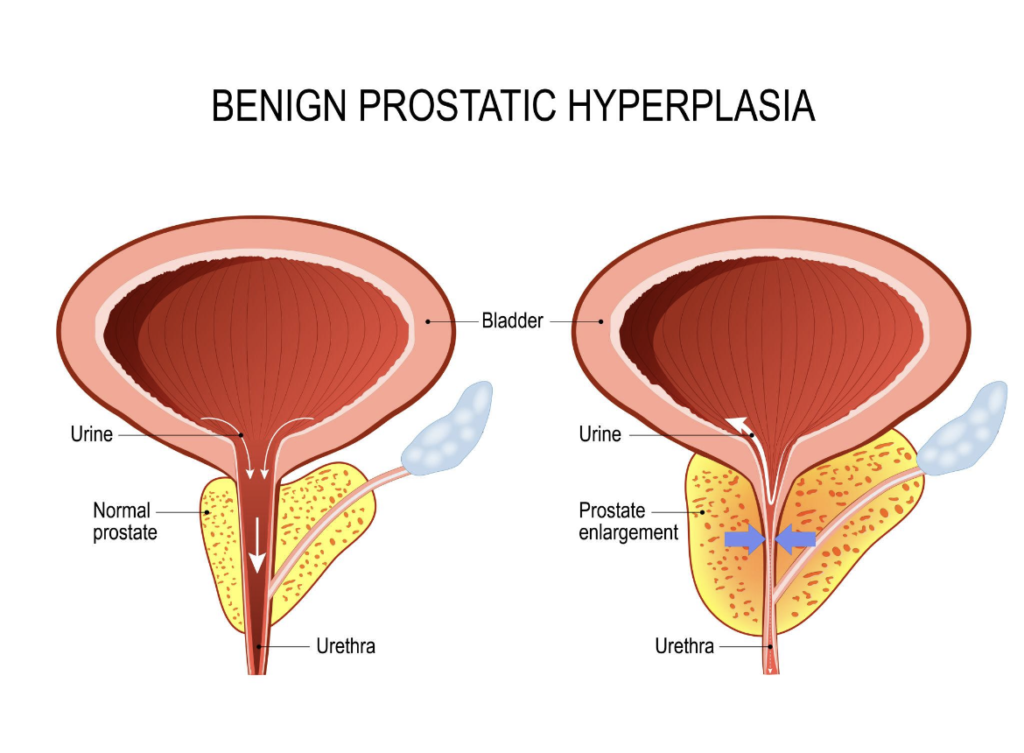
The prostate is a small gland located below the bladder in men. As men age, prostate-related problems become increasingly common. Many men ignore early urinary changes, assuming they are a normal part of aging. However, prostate symptoms should never be ignored, especially after the age of 45–50 years.
Early evaluation helps identify whether symptoms are due to benign prostate enlargement (BPH), infection, inflammation, or rarely prostate cancer.

What Are Prostate Symptoms?
Prostate problems usually affect urination because the prostate surrounds the urethra (the tube through which urine passes). When the prostate enlarges or becomes inflamed, it can interfere with urine flow.
You may be experiencing prostate symptoms if you notice:
Weak or slow urine stream
Difficulty starting urination
Straining while passing urine
Stop-start urine flow
Feeling of incomplete bladder emptying
Frequent urination
Waking up at night to urinate
Sudden urgency to urinate
Urine leakage in advanced cases
These symptoms often develop gradually.
Common Prostate Conditions
Early Signs of Prostate Enlargement
The earliest signs often include:
Reduced force of urine flow
Increased time to urinate
Night-time urination
Feeling that bladder does not empty fully
Many men adjust their routine instead of seeking help, which delays diagnosis.
Prostate Symptoms by Age
Men Above 50
Most common cause is benign enlargement.
Men Below 50
Symptoms are more likely due to prostatitis or inflammation.
Any persistent urinary change should be evaluated.
When should you consult a Urologist?
You should seek urology consultation if:
Urine stream becomes weak
Night-time urination increases
You strain to pass urine
Symptoms are worsening
There is burning or blood in urine
You are above 50 with new urinary symptoms
There is family history of prostate cancer
Early evaluation prevents bladder damage and complications.
How Are Prostate Symptoms Evaluated?
Evaluation may include:
Detailed medical history
Physical examination
Urine tests
Ultrasound of kidneys, bladder, and prostate
Urine flow test (Uroflowmetry)
Measurement of residual urine
Blood test (including PSA when appropriate)
These tests help differentiate enlargement, infection, and other causes.
Treatment depends on the cause and severity:
Most patients improve significantly with early medical treatment.
Related Urinary Symptoms
Prostate problems may be associated with:
Evaluating all symptoms together ensures accurate diagnosis.
PROSTATE SYMPTOMS – FAQs
What are the early symptoms of prostate enlargement?
Early symptoms of prostate enlargement (BPH) often include weak urine stream, difficulty starting urination, night-time urination, frequent urination, and feeling of incomplete bladder emptying.
Is prostate enlargement common after 50?
Yes. Benign prostate enlargement becomes increasingly common after the age of 50 and is one of the most frequent causes of urinary symptoms in older men.
Are prostate symptoms always a sign of cancer?
No. Most prostate symptoms are caused by benign enlargement (BPH) or prostatitis. However, persistent or worsening symptoms should be evaluated to rule out prostate cancer.
What is the difference between BPH and prostate cancer?
BPH (benign prostatic hyperplasia) is a non-cancerous enlargement of the prostate that causes urinary symptoms. Prostate cancer may not cause symptoms in early stages and requires proper medical evaluation, including PSA testing when appropriate.
When should I see a urologist for prostate symptoms?
You should consult a urologist if:
Urine stream becomes weak
Night-time urination increases
You strain to pass urine
Symptoms are worsening
There is blood in urine
You are above 50 with new urinary symptoms
How are prostate problems diagnosed?
Diagnosis may include medical history, physical examination, urine tests, PSA blood test, ultrasound of the prostate, and urine flow testing.
Can prostate enlargement be treated without surgery?
Yes. Many cases improve with medications that relax prostate muscles or reduce prostate size. Surgery is required only in selected moderate-to-severe cases.
Can younger men have prostate problems?
Yes. Younger men can develop prostatitis (prostate inflammation), which may cause burning urination, pelvic discomfort, and urinary symptoms.
Can untreated prostate problems cause complications?
Yes. Ignoring prostate symptoms can lead to urinary retention, bladder damage, recurrent infections, and kidney problems.
Which doctor should I consult for prostate related urinary symptoms ?
A urologist is the appropriate specialist for evaluation of prostate related urinary symptoms, especially if symptoms are recurrent, severe, or associated with other urinary problems.
Why Choose Dr. Vikas Gupta
Expert-led, ethical and advanced urology care in Gurugram & Delhi NCR
Urologist | Andrologist | Uro-Oncologist
Trusted Expertise
MCh Urology from PGIMER Chandigarh with advanced training in endourology and uro-oncology.
Advanced Laser Surgery
Minimally invasive laser procedures for stones, prostate and urinary disorders.
Fortis Hospital Care
Associate Consultant at Fortis Memorial Research Institute, Gurugram.
Patient-Centric Approach
Compassionate consultation, transparent advice and ethical treatment.
Book Appointment with Dr. Vikas Gupta
If you are experiencing prostate-related urinary symptoms, early consultation with a urologist can help prevent complications and improve quality of life.
Do not ignore changes in urination—early prostate evaluation makes a significant difference.
Providing trusted urology care in Gurugram & Delhi NCR